Last Updated on November 4, 2026
The best drug test consultation questions cover four things: what the test looks for, how far back it reaches, how your sample will be collected, and what you can do about your own timeline. Ask them in that order. Your answers shape every decision after them, including how many washes you need and how much time you have.
This guide is for people with a hair follicle test coming up, usually for a job. It gives you the questions for the employer or collection site, the questions for a specialist, and the facts behind each one, so you can walk into a consultation prepared.
TL;DR
- Ask the organization requiring the test how the hair sample will be collected, which panel it runs and who receives the result.
- A standard hair test looks back about 90 days, using a 1.5-inch section of hair, so your last-use date and frequency matter most.
- Tell a consultant the substance, the date of last use, how often you used in the last 90 days and any hair treatments. Those four facts drive the plan.
- Hair testing is not allowed for federally regulated DOT testing, so knowing which kind of test you face changes the conversation.
- Our personal consultation is $100, and our required-washes calculator turns your history into a wash count.
Table of Contents
- Questions to ask the organization requiring the test
- Questions to ask a hair test consultant
- How a hair test is collected and analyzed
- The 90-day window and what changes it
- What the research says about cleansing
- Workplace hair tests versus clinical screening questions
- Our perspective
- Get a plan built around your history
- Safety, privacy and limits to discuss
- A worked example of a consultation
- FAQ
- Sources
Questions to ask the organization requiring the test
Start with the party that ordered the test. They set the rules, and a few minutes of questions removes most of the guesswork. Testing.com advises asking the requiring organization about hair-sample collection requirements and telling your doctor about recent medications, supplements or hair treatments.
Useful questions:
- Is this a hair test, and what panel does it run? Standard panels cover marijuana, amphetamines, cocaine, opiates and PCP. Some expanded panels add substances such as fentanyl and methadone, according to Quest Diagnostics.
- Where and when do I need to report? Collection sites usually have a window, so confirm location, time and what ID to bring.
- Can body hair be used if I have little head hair? The collector’s rules differ by site, so ask in advance. Our page on the body hair drug test window explains why body hair can reflect a longer period.
- How soon will results go to the employer? And does a medical review step come first?
- What happens if the result is non-negative? In the federal hair-testing proposal, a Medical Review Officer contacts the donor to ask for a legitimate medical explanation, such as prescription records, before the report is finalized. Ask whether your employer’s program works the same way.
- Is there a retest or verification option? Our guide on what to do after a failed hair test covers how the 90-day window helps you verify and retest.
Keep the tone simple and professional. You are asking about logistics, not explaining your history to a hiring manager.
Questions to ask a hair test consultant
A good consultation is about your specific timeline, not general advice. Whoever you talk to should be able to work from the same facts. These are the ones we ask for on our own calls:
| What to bring | Why it matters |
|---|---|
| Substance involved | Different drugs behave differently, and some panels are broader than others |
| Date of last use | Determines how much of your 90-day window is affected |
| Frequency of use over the previous 90 days | Heavier or more frequent use means more drug incorporated in the hair |
| Hair treatments (bleach, dye, relaxers) | These can change drug-metabolite concentrations in a sample |
| Test date and collection rules | Sets the time you have to complete everything |
| Hair length and type | Determines which section of hair will be cut |
Then ask the consultant:
- How do you decide how many washes I need, and what does that depend on?
- What is the full sequence of steps, and what happens if I miss one?
- Which product does the method require, and how do I know it is genuine?
- Does the plan treat my situation as light, moderate or heavy use?
- Can I reach you again if something changes before the test?
Our hair drug test consultation page walks through what to expect and how to prepare before you call.
How a hair test is collected and analyzed
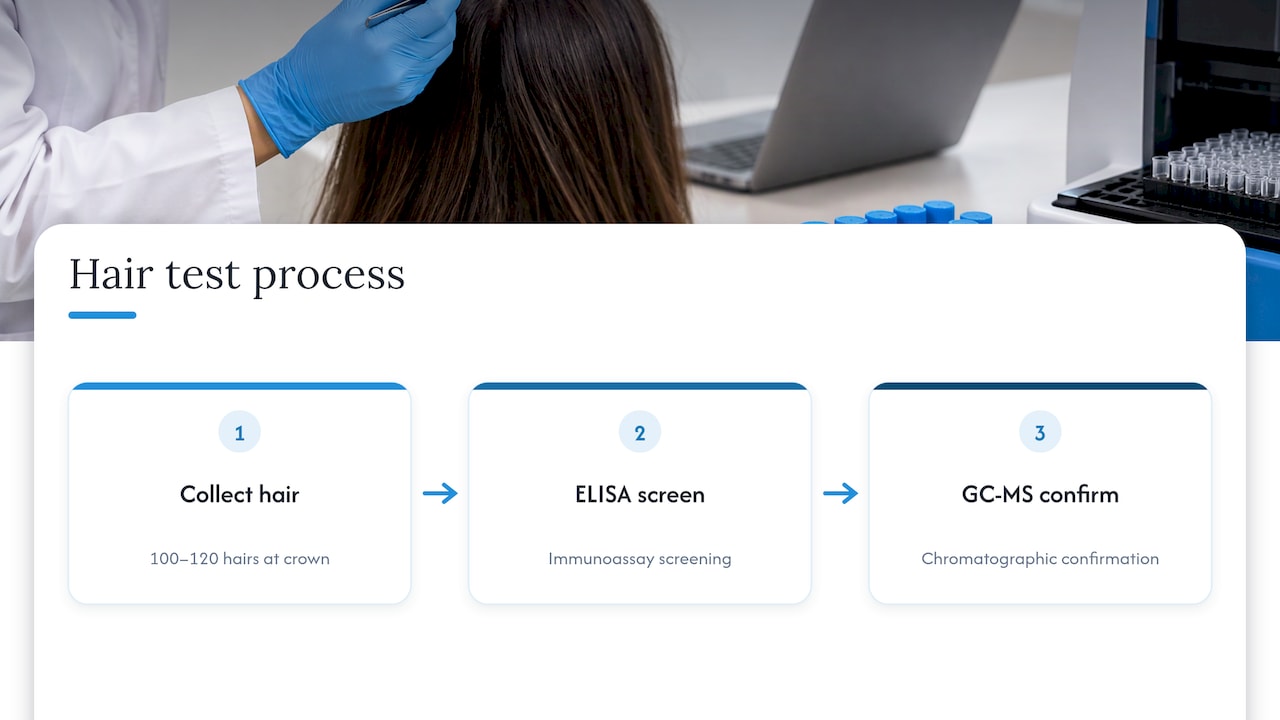
Knowing the process makes every other question easier. Healthline reports that a collector cuts 100 to 120 hairs from the crown of the head. Labcorp describes cutting the hair at the scalp and analyzing it by immunoassay screening followed by mass-spectrometry confirmation.
The two-step design matters. Medical News Today explains that samples go through ELISA screening, then positives are confirmed with chromatographic testing such as GC-MS. If someone tells you a screening result alone decides your outcome, ask which step they mean.
To see how substances and panels line up, read our overview of which drugs show on a hair follicle test. For a broader walk-through, see all about hair drug testing.
The 90-day window and what changes it
The most common consultation question is “how far back does it go?” The usual answer is about 90 days. Testing.com says the test typically targets a 1.5-inch section of hair, covering roughly 90 days of growth.
The arithmetic comes from growth rate. Quest says head hair grows about 0.5 inches per month, and that it takes roughly 5 to 10 days for drugs to show up in hair above the scalp. That means very recent use may not appear yet, which is why Quest describes hair testing as a tool for long-term patterns, not for post-accident or reasonable-suspicion situations.
Factors that can shift the picture:
- Frequency of use. More frequent use generally means more to detect.
- Metabolic rate. People differ, and that affects how much drug reaches the hair.
- Hair color and melanin. Melanin content can affect metabolite concentrations.
- Chemical treatments. Bleaching or coloring can also change concentrations, per Medical News Today, which also notes that hair tests are not 100 percent accurate.
If your situation does not fit a neat 90 days, our guide to when 90 days isn’t enough covers longer timelines. We also answer the related question in how far back a hair follicle test goes.
What the research says about cleansing
Serious consultation questions include “does cleansing actually change a result?” A 2023 study in Drug Testing and Analysis examined homemade hair treatments and found that the treatments tested lowered drug concentrations, enough that results could fall under cutoffs. That is the scientific backdrop to the whole field of hair cleansing.
A 2025 review in the Journal of Applied Laboratory Medicine adds that there is no consensus on a best decontamination protocol. In practice, this is why a test-specific, step-by-step method matters more than a casual tip. The details of the process, the product and the number of washes all count. See our science-backed guide to passing a hair follicle test for the method in depth, or the preparation timeline version.
Workplace hair tests versus clinical screening questions
The keyword “drug test consultation questions” sometimes pulls in a different topic: the screening questions a clinician asks at a checkup. Those are conversations, not lab tests. A short questionnaire about your substance use is a health tool, and it is separate from an employer’s hair test, which analyzes a physical sample.
For workplace tests, the regulatory picture is worth knowing:
- Federal transportation testing. Hair testing is not authorized under DOT rules; only urine and oral fluid specimens are allowed.
- FMCSA’s position. In 2022, the agency denied a request to count an employer’s knowledge of a driver’s positive hair test as actual knowledge, saying it lacked statutory authority.
- Federal guidelines. At a September 2020 meeting, SAMHSA said proposed hair-testing guidelines had been submitted for public comment and HHS was working on final guidelines.
So a hair test usually comes from a private employer’s own policy. That is why the first question to ask is who ordered the test and under what program. If you are weighing hair against urine, our comparison of hair and urine tests at work shows how the two differ, including how recent use can slip through a hair test.
Our perspective
We have helped people prepare for hair follicle tests since about 1999, and the same pattern shows up on nearly every call. People ask “what is the trick?” when the better question is “what does my history require?”
That is why Mike’s Macujo Method is built around your numbers. Introduced in 2018, it is a systematic nine-step process developed for high THC levels and for other drugs and alcohol. The required-washes calculator uses three inputs: the substance, the date of your last use and how often you used during the previous 90 days. It tells you how many washes you need, instead of leaving you to guess.
The method has to be completed with authentic Macujo Aloe Rid® Shampoo, and every wash and direction has to be done correctly. When that happens, our reported success rate is better than 99%, and the hair stays clean unless drugs or alcohol are used again. The old Macujo Method was designed mainly for low-to-moderate THC exposure, with an estimated success rate of about 90% for moderate THC, and it gave only temporary masking. Mike’s Macujo Method is our current standard for that reason.
We also believe nobody should face this alone. Customers get unlimited support and after-hours phone consultation, because test dates do not respect business hours.
MIchael
Get a plan built around your history
If your test is close, the fastest way to turn these questions into answers is to talk it through with someone who has done this for years. Our Afterhours Personal Consultation is $100 and gives you a phone conversation about your substance, your timeline and your hair.
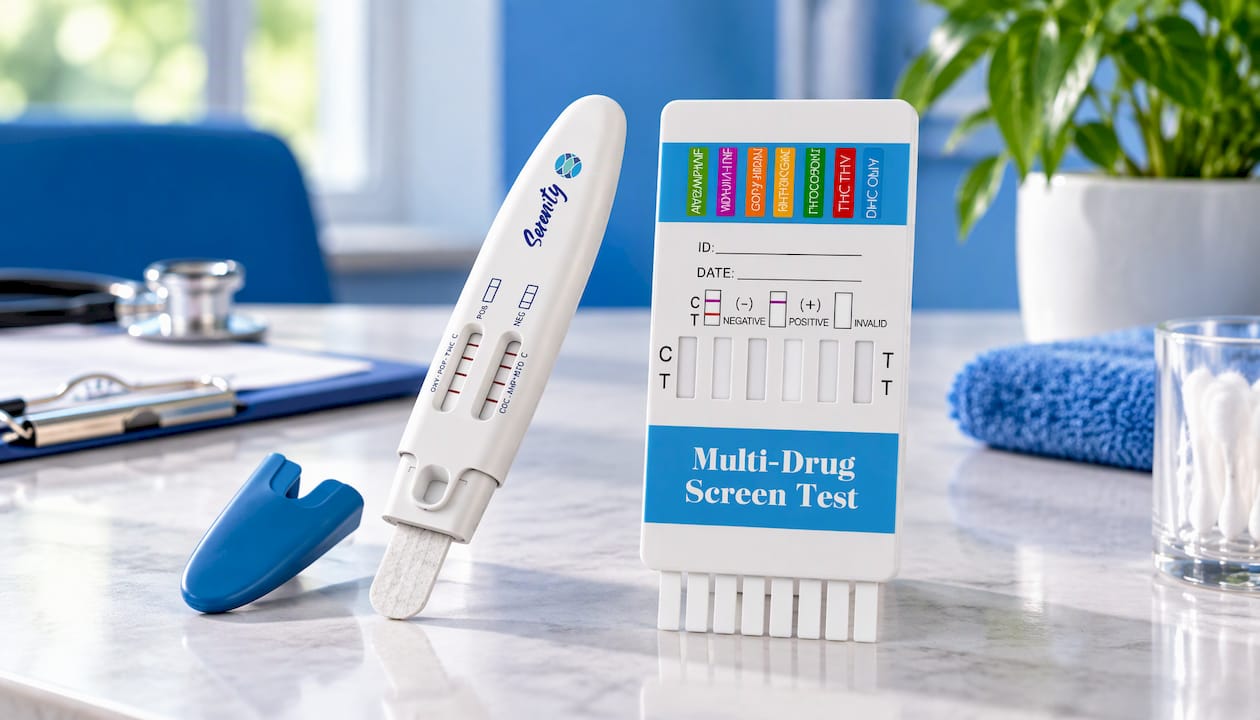
If you already know you need the shampoo, the Macujo Aloe Rid Old Formula Shampoo is listed at $100 to $150. We also carry hair, urine and saliva test products, including a 13-panel urine dip card and a 12-panel oral fluid test, if you want to know where you stand before test day.
Safety, privacy and limits to discuss
A few topics belong in every consultation, whoever you talk to.
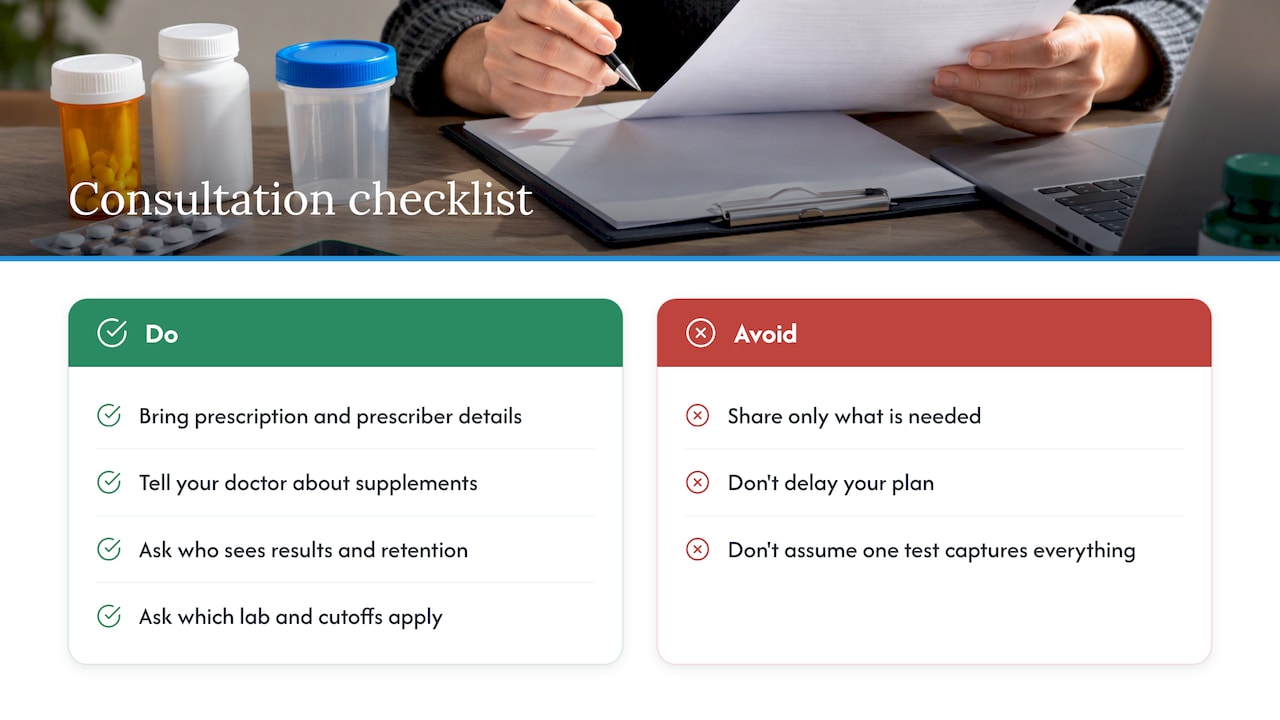
Medications and medical explanations. If you take a prescription, bring the records. A non-negative result can trigger a review where you are asked for a legitimate medical explanation, so keep the prescription and prescriber details handy. Tell your own doctor about supplements and hair treatments, as Testing.com advises.
Hair treatments and your scalp. If you have bleached, dyed or chemically treated hair, or a scalp condition, say so. Treatments affect hair and the sample. For skin reactions or scalp irritation, ask a doctor or dermatologist, and follow the directions on any shampoo exactly.
Privacy. Ask the employer who sees your result, how long it is kept and whether it goes to a Medical Review Officer first. Ask any consultant how your information is handled. Share only what is needed to build your plan.
Accuracy and timing. Hair tests are not perfect, and no single test captures everything. Ask which lab runs the test and what cutoffs apply. Your consultant cannot control those, but knowing them helps you plan.
Timing of your plan. Start early. Washes take time, and a test notice with a short deadline leaves less room for mistakes. Our required-washes calculator is designed to remove guesswork from the count.
A worked example of a consultation
Here is how the questions come together. Suppose a job applicant gets a call: the test is in two weeks, it is a hair test, and they used marijuana regularly until about three weeks ago.
- They ask the employer: is it a hair test, which panel, where and when. The answers are yes, a standard panel, a collection site near them.
- They write down their facts: substance, last-use date, how often they used in the last 90 days, and whether their hair is treated.
- They enter those inputs into the required-washes calculator to get a wash count.
- They book a consultation to confirm the plan, ask about the nine steps and check the schedule against the test date.
- They complete every wash and direction as written, and keep the consultant’s number for questions.
Nothing here is complicated. It just needs to happen in the right order and early enough.
FAQ
What should I ask before a hair drug test?
Ask the organization requiring it about the panel, collection rules, who receives the result and what happens after a non-negative result. Then bring your substance, last-use date, 90-day frequency and hair treatments to any consultation.
How far back does a hair drug test look?
A standard test uses a 1.5-inch section of hair and covers about 90 days. Very recent use may not show yet, because drugs take roughly 5 to 10 days to appear in hair above the scalp.
Does the DOT allow hair testing?
No. DOT rules authorize only urine and oral fluid specimens for federally regulated testing. Hair tests usually come from private employer policies, so ask your employer which program applies.
What does a Macujo consultation cost?
Our Afterhours Personal Consultation is $100 one-off. It is a phone conversation built around your substance, last-use date, frequency of use and test date, with support from people who know hair testing.
Sources
- Hair Follicle Drug Test: How It Works and What It Detects, Testing.com
- Hair Follicle Drug Testing: Process and Benefits, Labcorp
- Hair testing FAQ, Quest Diagnostics
- Hair Strand Drug Test: How It Works, Healthline
- Hair follicle drug test: How it works, Medical News Today
- Hair analysis: Assessment of homemade hair treatments, Drug Testing and Analysis
- Review on Toxicology Testing in Hair, Journal of Applied Laboratory Medicine
- DOT Rule 49 CFR Part 40 Section 40.210
- Controlled Substances and Alcohol Use and Testing, Federal Register 2022
- DTAB Open Session Minutes, SAMHSA
- HHS SAMHSA proposed hair testing guidelines, 2020